Planning a landscape design that enhances your property begins with a thoughtful vision and a clear understanding of how outdoor spaces influence everyday life. A well-designed landscape does more than improve curb appeal. It shapes how you experience your home, how guests perceive your property, and how different areas function throughout the year. From the first impression at the front entry to the quiet retreat of a backyard garden, every element plays a role in creating a cohesive and welcoming environment. Strategic planning allows homeowners to align aesthetics with functionality, blending natural features with purposeful design choices that support relaxation, entertainment, and long-term value.
Beyond appearance, landscape planning also requires careful consideration of climate, soil conditions, drainage, and long-term maintenance needs. Thoughtful design anticipates how trees will mature, how seasonal changes will affect plantings, and how outdoor living areas will be used over time. When homeowners approach the process with intention, they can avoid costly revisions and create a landscape that grows more beautiful and functional with age.
Assessing Your Property’s Natural Features
Every successful landscape plan starts with a thorough assessment of your property’s existing natural features. Understanding the land’s topography, soil composition, sun exposure, and drainage patterns provides the foundation for smart design decisions. Slopes may create opportunities for tiered gardens or retaining walls, while shaded areas might inspire woodland plantings or quiet seating spaces. Evaluating wind patterns and water flow can also prevent future issues related to erosion or pooling. By carefully observing how the land currently functions, homeowners can design with the environment rather than against it.
A more detailed evaluation should also account for existing structures and materials that influence the landscape’s overall layout. For example, identifying the type of building material used on your home’s exterior can guide complementary choices for walkways, retaining walls, and accent features. Matching textures and tones creates visual harmony between the house and the surrounding yard. Additionally, noting the location of underground utilities, irrigation lines, and mature root systems helps avoid disruptions during construction.
Defining Your Landscape Design Goals
Clear goals provide direction and purpose for any landscape project. Before selecting plants or drawing layouts, homeowners should reflect on how they want their outdoor space to function. Are you seeking a peaceful retreat, an entertainment hub, or a family-friendly yard with room to play? Establishing priorities helps guide decisions about layout, materials, and long-term investments. It also allows you to balance beauty with practicality, making sure the final result aligns with your daily routines and lifestyle needs. When goals are clearly defined from the outset, the planning process becomes more focused and efficient.
On a more specific level, defining your goals may involve identifying areas that require improvement or regular attention. For instance, if your home’s exterior maintenance extends beyond landscaping, you might consider how outdoor planning intersects with tasks such as garage door maintenance, driveway upkeep, or exterior lighting upgrades. Coordinating these elements within your broader design strategy can create a more unified and functional property.
Establishing a Realistic Project Budget
Creating a realistic budget is one of the most important steps in planning a landscape design that enhances your property. A clear financial framework helps you balance your vision with practical considerations, allowing you to prioritize elements that deliver both immediate impact and long-term value. Landscaping projects can range from modest updates to comprehensive transformations, and costs often vary depending on materials, labor, site conditions, and the scope of work. By outlining your investment range early, you can make informed decisions about where to allocate resources and where to phase improvements over time.
On a more specific level, budgeting also requires research into the professionals and services involved in your project. For example, if your plan includes resurfacing or redesigning your driveway to complement the overall landscape, you may need to consult asphalt driveway companies to obtain accurate estimates and timelines. Gathering multiple quotes, reviewing previous projects, and accounting for contingencies such as drainage adjustments or grading work can prevent financial surprises. A well-structured budget does more than control spending.
Incorporating Functional Outdoor Living Areas
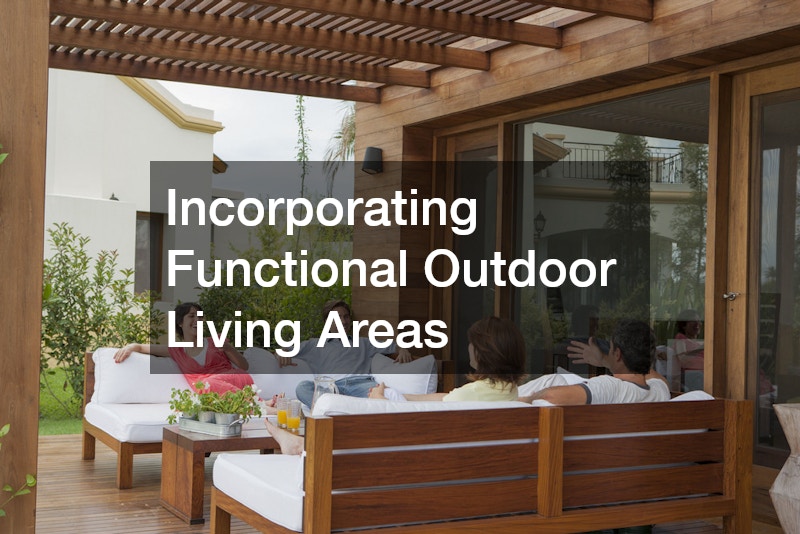
A thoughtfully designed landscape should support how you live and interact outdoors. Functional outdoor living areas extend your home’s usable square footage and create inviting spaces for relaxation, dining, and entertaining. Whether you envision quiet mornings with coffee or lively gatherings with friends, defining these activity zones adds purpose and structure to your design. Seating areas, shaded retreats, and open lawn spaces all contribute to a balanced environment that blends comfort with visual appeal. When outdoor areas are planned with intention, they feel like natural extensions of your indoor living spaces.
More specifically, incorporating a patio can serve as the anchor for your outdoor layout. The size, shape, and material selection influence both usability and aesthetics, while its placement should account for sun exposure, accessibility, and proximity to entry points. Integrating features such as built-in seating, fire elements, or outdoor kitchens further enhances functionality. Careful consideration of transitions between hard surfaces and surrounding greenery creates a seamless flow throughout the yard.
Selecting Plants for Climate and Soil Conditions
Plant selection plays a vital role in creating a landscape that thrives over time. Choosing vegetation suited to your local climate and soil conditions promotes healthier growth, reduces maintenance demands, and supports environmental sustainability. Native and adaptive plants often require less water and are more resistant to regional pests and diseases. Considering seasonal changes, bloom cycles, and mature growth sizes also helps maintain visual balance throughout the year. A well-planned planting strategy blends color, texture, and height to create depth while preserving open sightlines and circulation paths.
On a more detailed level, plant choices should align with your broader backyard design goals. For instance, shade trees may provide cooling benefits and define gathering areas, while ornamental shrubs can frame pathways or soften structural edges. Soil testing can reveal nutrient deficiencies that influence plant health, guiding amendments or alternative selections. Grouping plants with similar watering and sunlight needs simplifies irrigation planning and long-term care.
Balancing Hardscape and Softscape Elements
A successful landscape design depends on the balance between hardscape and softscape elements. Hardscape features include patios, walkways, retaining walls, and other built structures, while softscape refers to living components such as grass, trees, shrubs, and flowers. When these elements are thoughtfully integrated, they create visual harmony and functional efficiency. Too much hardscape can make a yard feel rigid and uninviting, while too much softscape may lead to maintenance challenges or a lack of defined structure. The key is to design with proportion in mind, allowing built features to support natural growth without overwhelming it.
On a more specific level, collaborating with a general contractor can help coordinate structural components such as grading, drainage systems, and permanent installations that influence both hardscape and softscape placement. Professional guidance is particularly valuable when projects involve retaining walls, outdoor kitchens, or integrated seating areas that require precise construction standards. By planning transitions carefully, such as using plant beds to soften the edges of stone pathways or incorporating decorative borders to define lawn areas, you create a cohesive flow throughout the property.

Planning for Sustainable Water Management
Effective water management is essential for protecting both your landscape and your home’s foundation. Proper grading, drainage systems, and soil preparation prevent erosion, reduce standing water, and support plant health. Incorporating sustainable practices such as rain gardens, permeable pavers, and strategic irrigation planning can significantly reduce water waste while maintaining vibrant greenery. By addressing water flow early in the design process, homeowners can avoid costly structural damage and preserve the integrity of outdoor spaces over time. Sustainability in landscaping is not just about aesthetics; it directly influences durability and environmental responsibility.
More specifically, water management planning may involve assessing whether certain areas require adjustments before major changes take place. For example, if overgrown vegetation or unstable root systems are interfering with drainage patterns, professional tree removal may be necessary to restore proper flow and reduce safety risks. Additionally, installing French drains, downspout extensions, or underground piping systems can redirect excess water away from high-traffic zones. Coordinating irrigation zones according to plant groupings further supports efficient water use.
Enhancing Privacy and Property Boundaries
Privacy and boundary definition play an important role in shaping how comfortable and secure your outdoor space feels. A thoughtfully designed landscape can create natural screening while preserving openness and visual appeal. Strategic placement of hedges, trees, or decorative panels can block unwanted sightlines without making the yard feel confined. Defining property lines clearly also helps prevent disputes and supports cohesive neighborhood aesthetics. When privacy solutions blend seamlessly with plantings and structural elements, they contribute to both functionality and beauty.
On a more detailed level, working with professional fence installers can provide durable and visually appealing boundary solutions tailored to your design vision. Fence styles range from traditional wood panels to modern composite or metal designs, each offering different levels of privacy and maintenance requirements. Placement should consider local regulations, terrain variations, and integration with surrounding landscaping features. Complementing fencing with layered plantings softens its appearance and adds dimension.
Integrating Outdoor Lighting for Safety and Appeal
Outdoor lighting is a powerful design element that enhances both the beauty and functionality of a landscape. Well-placed lighting extends the usability of your yard into the evening hours while highlighting architectural details, pathways, and focal points. Layered lighting techniques, such as combining ambient, task, and accent lighting, create depth and dimension throughout the property. Beyond aesthetics, lighting also improves safety by illuminating walkways, steps, and entry points. When integrated thoughtfully, lighting supports navigation, deters potential intruders, and creates a welcoming atmosphere after sunset.
On a more specific level, incorporating lighting around structures like storage sheds can improve accessibility and organization. Illuminating these areas makes it easier to locate tools and equipment while reducing the risk of trips or falls in darker corners of the yard. Motion-sensor fixtures, low-voltage landscape lighting, and energy-efficient LED options provide practical solutions that balance performance with sustainability. Placement should complement natural sightlines and avoid glare, allowing illumination to enhance rather than overpower the setting. By integrating outdoor lighting into your overall landscape plan, you create a cohesive environment that feels secure, functional, and visually striking at any hour.
Creating a Long-Term Maintenance Plan
Even the most thoughtfully designed landscape requires consistent care to maintain its appearance and structural integrity. Establishing a long-term maintenance plan protects your investment and supports healthy plant growth, clean hardscapes, and efficient irrigation systems. Routine tasks such as pruning, mulching, fertilizing, and seasonal cleanups help preserve the design’s original intent while adapting to natural growth patterns. Planning for maintenance at the outset allows you to select materials and plant varieties that align with your desired level of upkeep. A sustainable landscape is one that can be cared for effectively year after year.
More specifically, partnering with experienced landscapers can provide valuable guidance on seasonal maintenance schedules and long-term property care. Professional services may include lawn treatments, tree trimming, irrigation inspections, and soil conditioning tailored to your region’s climate. Regular evaluations can also identify early signs of wear in hardscape features or drainage systems before they become costly issues. By combining homeowner involvement with professional support, you create a proactive maintenance strategy that preserves both beauty and functionality. A well-maintained landscape not only enhances daily enjoyment but also reinforces your property’s overall value and curb appeal.
Planning a landscape design that enhances your property is a comprehensive process that blends creativity with practical foresight. From evaluating natural features to establishing a realistic budget, each decision shapes how your outdoor space will function and evolve over time. Thoughtful planning allows you to align structural elements, plant selections, and living areas with your personal goals, resulting in a cohesive environment that feels intentional and inviting. By considering drainage, lighting, privacy, and maintenance early in the process, you reduce the likelihood of costly revisions and create a more resilient design.
Ultimately, a successful landscape is not defined solely by its visual appeal, but by how well it supports your lifestyle and adapts to changing seasons. Integrating functional spaces, sustainable practices, and durable materials creates a balanced outdoor environment that grows more valuable with time. When every component is approached strategically, your property becomes more than just a place to live.