
- Conduct a full safety assessment of your new home, including doors, windows, lighting, and potential hazards.
- Change all locks and reinforce entry points to ensure only authorized access.
- Install or upgrade security systems, including alarms, cameras, and smart locks, for ongoing protection.
- Prioritize fire and carbon monoxide safety with detectors, fire escape plans, and regular maintenance.
- Inspect electrical systems, structural elements, and utilities to prevent accidents and costly repairs.
- Engage with your neighborhood, meet neighbors, and stay aware of local safety issues.
- Establish consistent safety routines and involve all family members in emergency planning.
Moving into a new house is an exciting milestone, but it’s also a time when your property and loved ones may be more vulnerable. From unfamiliar layouts to gaps in security systems, there are unique safety concerns that homeowners must address immediately after a move. Prioritizing safety not only protects your belongings but also gives you confidence and peace of mind in your new environment. This guide provides practical, easy‑to‑follow steps to help you understand what to do when moving into a new house so you can start off on the right foot.
In this article, we will explore actionable safety tips for every stage of settling in — from the moment you receive your keys to establishing ongoing safety habits. Whether you’re a first‑time homeowner, a renter moving into a leased property, or a family transitioning to a bigger space, ensuring that your new home is secure should be one of your top priorities.
Conduct a Full Safety Assessment Right Away
Before unpacking boxes or arranging furniture, it’s essential to evaluate the existing safety setup of your new home. This helps you determine potential vulnerabilities and plan necessary improvements. A thorough assessment exposes areas where security has been neglected, such as weak door locks or outdated alarm systems.
When you move into a new house, take time to walk through every interior and exterior space. Look at entry points, lighting, and visibility from the street. Pay attention to the property’s surroundings and note anything that might put your home at risk.
A safety assessment also gives you a baseline understanding of your house’s layout — from emergency exits to hazard points — so you can make informed decisions about upgrades.
Check All Doors and Locks
Your front door is the first line of defense, so inspect every lock carefully:
- Test deadbolts, knobs, and strike plates for strength
- Replace flimsy or old locks immediately
- Consider high‑security locks or smart lock systems
Weak locks can be easily compromised, especially if previous occupants still have copies of your keys. Upgrading them protects your family and property.
Inspect Windows and Sliding Doors
Windows are often overlooked but are common entry points for intruders:
- Ensure locks on every window function properly
- Install secondary locks for sliding doors and larger windows
- Replace cracked or damaged glass panes
Good window security prevents unauthorized access and reduces risk during severe weather events.
Evaluate Outdoor Lighting
Dark spots around your property can create opportunities for burglars or accidents:
- Add motion‑activated lights near entrances and pathways
- Check that existing fixtures are working
- Aim lights toward key access points, not into neighbors’ yards
Proper outdoor lighting improves safety and gives you better visibility at night.
Change Locks and Secure Entry Points
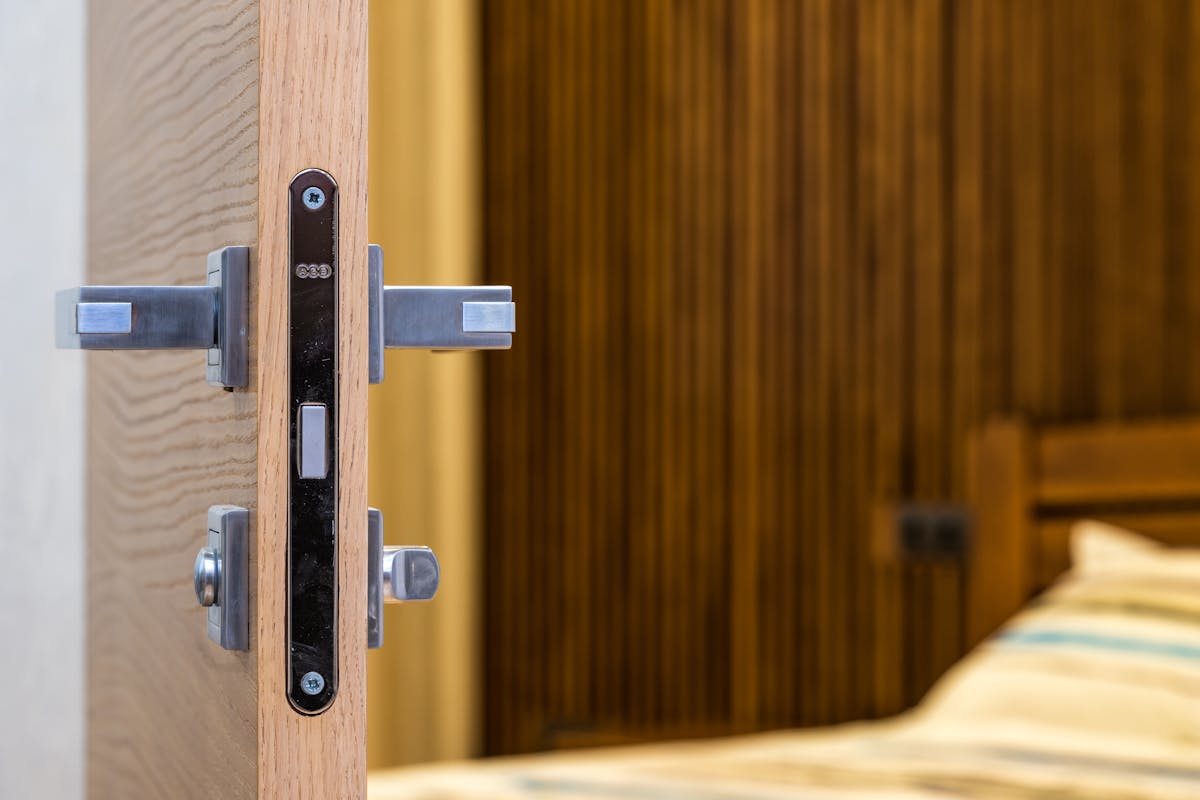
One of the most important steps in what to do when moving into a new house is to change all existing locks. Even if the sellers claim to have returned all keys, you can never be fully certain. Replacing locks eliminates the possibility that someone unauthorized still holds a key.
Investing in quality locks protects your home from potential break‑ins and gives you control over who has access. Today’s lock technologies include electronic and smart options that make monitoring and controlling access much easier.
Replace All Exterior Door Locks
Prioritize every external entry point:
- Front and back doors
- Side doors
- Garage doors that lead into the house
Choose solid deadbolts and avoid inexpensive, low‑security options. Deadbolts with reinforced strike plates offer more resistance against forced entry.
Consider Smart Locks
Smart locks provide convenience and added security:
- Code entry removes the need for keys
- App alerts let you track who enters your home
- Temporary access codes help when you have guests or maintenance workers
Smart locks also allow you to remotely lock and unlock doors, which is useful during deliveries or when you forget to secure the house.
Reinforce Entry Frames
Even the best lock won’t help if the door frame is weak:
- Install metal reinforcement plates
- Upgrade the frame with longer screws
- Use a thick, solid door instead of hollow‑core options
A reinforced door frame makes forced entry much more difficult.
Install or Upgrade Home Security Systems
Effective home security goes beyond basic locks. A reliable security system offers peace of mind by deterring intruders and alerting you to suspicious activity. Modern smart systems provide features that weren’t available even a few years ago.
Whether you choose a professionally monitored system or a DIY setup, make sure it aligns with your needs and budget. Be wary of inexpensive devices that lack encryption or connectivity support — they may be easy targets for hackers.
Choose the Right Security Components
Key components to consider include:
- Door and window sensors
- Motion detectors
- Security cameras (indoor and outdoor)
- A monitored alarm system
Some systems can integrate with smart home platforms, allowing you to control and monitor them from your phone.
Position Cameras Strategically
Place cameras in areas that cover:
- Main entrances
- Driveway and garage
- Backyard access points
- Common areas inside the house
High visibility can deter would‑be intruders and provide valuable evidence if needed.
Test and Maintain the System
Once installed, test your security system regularly:
- Check alerts and notifications
- Replace batteries in wireless components
- Perform occasional walkthroughs with your monitoring provider
Proper maintenance ensures your system continues to protect your home effectively.
Prioritize Fire and Carbon Monoxide Safety
A new house may have existing smoke detectors, but you shouldn’t assume they work properly. Fire and carbon monoxide (CO) detectors save lives, and early detection is one of the best safety measures for any household. It’s critical to have detectors installed in proper locations and maintained regularly.
Testing and upgrading these systems right after moving in helps protect your family around the clock.
Install Smoke Detectors on Every Floor
National safety guidelines recommend:
- One smoke alarm in each bedroom
- One outside sleeping areas
- One on every level of the home
Hardwired detectors with battery backups are preferable because they’re more reliable than battery‑only units.
Add Carbon Monoxide Detectors
CO is an odorless, colorless gas that can be fatal at high concentrations:
- Place CO detectors near sleeping areas
- If you have gas appliances, monitor levels in living spaces
- Replace CO detectors per manufacturer recommendations
CO detectors are especially important in homes with attached garages or fuel‑burning appliances.
Create a Fire Escape Plan
A safety device is only effective if you know how to respond:
- Identify two exit routes from each room
- Agree on a meeting place outside
- Practice with all household members
Regular drill practice ensures everyone knows what to do in an emergency.
Evaluate Electrical and Structural Safety
Older homes may have outdated electrical systems, exposed wiring, or structural issues that pose hazards. Even newly built homes can have defects that went unnoticed during inspections. Taking the time to evaluate these aspects can prevent accidents and costly repairs.
Addressing electrical and structural concerns early protects your investment and keeps your family safe.
Inspect Electrical Panels and Outlets
Look for:
- Loose or damaged outlets
- Flickering lights
- Outdated electrical panels
- Unprotected wiring
If you’re unsure, contact a licensed electrician for a professional assessment.
Check for Structural Concerns
Visible signs of trouble include:
- Cracks in the foundation or walls
- Squeaky or uneven floors
- Roof leaks or damaged shingles
A qualified home inspector can help identify issues you might miss.
Test GFCI Outlets
Ground‑fault circuit interrupter (GFCI) outlets are essential in:
- Bathrooms
- Kitchens
- Outdoor areas
- Basements
They protect against electrical shock by shutting off power when a fault is detected.
Secure Utilities and Prevent Accidents
Utilities like gas, water, and HVAC systems are essential for comfort, but they can pose risks if not properly maintained or configured. Before you start unpacking, ensure all utilities are safely and properly set up.
An unsafe utility setup can lead to gas leaks, flooding, or health hazards, so taking precautions is crucial.
Test Gas Lines and Appliances
Gas leaks are dangerous and hard to detect:
- Check for the smell of gas
- Hire a professional to inspect appliances
- Ensure proper ventilation around gas‑powered equipment
If you ever smell gas, evacuate immediately and contact your provider.
Locate Main Water and Gas Shutoff Valves
Knowing where these valves are helps you act quickly in emergencies:
- Label shutoff locations
- Practice turning them off
- Keep tools nearby if needed
Fast access to shutoff valves can prevent extensive damage during leaks or bursts.
Service HVAC Systems
A well‑maintained heating and cooling system:
- Improves air quality
- Reduces fire hazards
- Lowers energy costs
Have a professional check filters, ducts, and safety controls.
Get to Know Your Neighborhood
While in‑home safety is critical, your surrounding environment also impacts your peace of mind. Understanding the neighborhood helps you anticipate safety challenges and integrate into the community.
Engaging with neighbors and local services fosters a safer living space and builds supportive relationships.

Meet Immediate Neighbors
Introduce yourself and:
- Ask about community concerns
- Share emergency contact information
- Learn local traffic patterns
Neighbors often notice unusual activity and can alert you when necessary.
Research Local Crime Patterns
Check:
- Local crime reports
- Community safety apps
- Neighborhood watch programs
Knowledge of common issues helps you take proactive measures.
Connect with Local Services
Find out where:
- The nearest police and fire stations are
- Local medical facilities are located
- Community groups meet
Having these resources in mind helps in emergencies.
Create a Safety Routine
Safety is not a one‑time task — it requires ongoing effort. Establishing habits keeps your home secure and reduces stress over time. Regular maintenance and mindful behavior make your home safer for everyone.
Whether you live alone, with a partner, or with children, a safety routine builds consistent protection.
Daily Practices
Include:
- Locking doors and windows
- Checking alarm status
- Securing valuables
Small daily actions add up to greater safety.
Weekly Maintenance
Take time to:
- Test detectors
- Inspect outdoor lighting
- Clear walkways and entrances
Weekly checks help catch issues before they escalate.
Seasonal Updates
Adjust your routine with the seasons:
- Winterize pipes and insulation
- Prepare for storms
- Update emergency kits
Seasonal safety planning prevents weather‑related risks.
Involve Your Family in Safety Planning
Safety is most effective when everyone participates. Teaching family members about household safety builds awareness and prepares them for emergencies. In families with children, involving them empowers confidence and responsibility.
Create clear expectations and routines that everyone understands.
Teach Emergency Procedures
Practice:
- Fire drills
- Evacuation routes
- Where to find emergency supplies
Make sure children know how to dial emergency numbers.
Assign Safety Roles
Divide simple tasks like:
- Checking doors at night
- Testing alarms
- Replacing batteries
Sharing responsibility reinforces teamwork.
Communicate Openly About Safety
Discuss:
- Any risks you’ve identified
- How to avoid hazards
- Your home security setup
Regular conversations promote ongoing awareness.
Maintain Documentation and Important Information
Keeping organized records ensures you have key information when you need it most. Store manuals, receipts, warranties, and service contacts in a designated folder or digital system. Having quick access to these details prevents confusion during emergency repairs or claims.
Good documentation also helps future homeowners if you decide to sell.
Create a Home Safety Binder
Include:
- Contact numbers for emergency services
- Alarm system passwords
- Instructions for utilities
Refer to this binder often.
Keep Receipts for Upgrades
Proof of:
- Lock replacements
- Security systems
- Inspections
This documentation helps with warranties and insurance claims.
Store Digital Backups
Use cloud storage to:
- Back up photos of your home
- Save scanned documents
- Share information with family
Digital storage ensures access even if physical copies are lost.
Conclusion
Safety should be a priority from the first moment you step into your new home. By taking proactive measures — such as conducting a full assessment, upgrading locks, installing a security system, and establishing routines — you create a secure environment that protects your family and property. Beyond physical upgrades, engaging with your community and involving your household in safety planning strengthens your peace of mind.
Moving into a new home is the start of an exciting chapter. With the right safety steps in place, you can enjoy every moment with confidence, security, and comfort.