


Unlocking the front door of a newly purchased home is one of life’s most rewarding moments. The physical keys represent a massive financial milestone and a beautiful blank canvas for the future. However, once the initial excitement of moving boxes begins to fade, a quiet realization sets in for new owners. There is no longer a landlord to call when a pipe drips, the wind rattles a loose board, or the basement smells damp. Every square foot of the structure is now the owner’s sole responsibility, which can feel incredibly daunting and stressful during those first twelve months.
The secret to navigating this transition successfully is not knowing how to fix every single issue personally. Instead, it lies in understanding how the house functions as an interconnected system and knowing who to call when things need professional attention. A home is a complex machine where a problem in one area can quickly trigger a disaster in another. By spreading out inspections and maintenance tasks across the first year, homeowners can keep costs manageable and prevent minor hiccups from turning into expensive emergencies. This chronological timeline acts as a step-by-step roadmap to protect the investment.
Month One: Establishing Interior Comfort and Privacy
Once the moving truck departs, the immediate goal is to make the interior spaces livable and secure. Privacy becomes an instant priority, especially in suburban neighborhoods where houses stand close together. Bare windows not only expose a family’s daily life to passersby, but they also allow harsh sunlight to fade brand-new hardwood floors and overheat living spaces. During these initial weeks, choosing and installing proper window coverings is a smart first upgrade.
While temporary paper shades can get a family through the first few nights, investing in professional custom blinds makes a massive difference in both the aesthetic appeal and the energy efficiency of the home. Properly fitted window treatments hug the window frame closely, creating an insulative air barrier that keeps indoor temperatures stable. They allow homeowners to control natural light precisely, shielding furniture from harmful UV rays while setting the tone for each room, ensuring the house immediately feels like a private, secure, quiet, and welcoming sanctuary for everyone.
Months Two and Three: Evaluating the Overhead Shield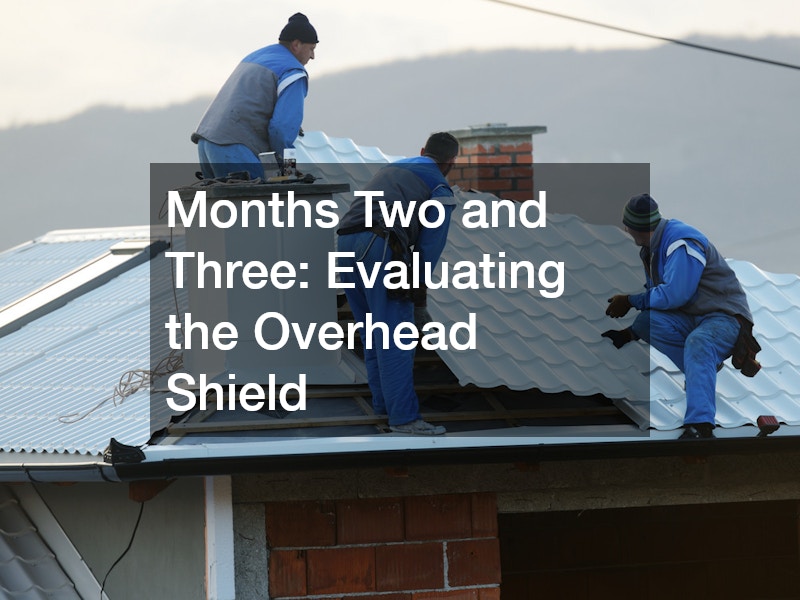
With the interior basics handled, attention must shift to the first line of defense against the elements: the roof. A roof keeps water out of the attic, walls, and ceiling structures. Unfortunately, many new buyers assume that a passing home inspection guarantees a flawless roof. In reality, home inspectors often view the roof from the ground with binoculars or only perform a quick visual sweep.
Before severe seasonal weather arrives, it is wise to establish a relationship with certified roofers who can perform an up-close physical inspection of the shingles. These professionals can climb up to check the integrity of the flashing around chimneys, inspect the rubber boots around plumbing vents, and look for subtle wind damage or loose shingles. Finding and patching a small leak now can save thousands of dollars in interior drywall repairs and mold remediation. It also provides the homeowner with an accurate estimate of the roof’s remaining lifespan, allowing them to budget years in advance for any eventual replacements.
Month Four: Keeping the Water Flowing Away
Even a perfect roof cannot protect a home if the water falling on it has nowhere to go. Gutters and downspouts are designed to collect thousands of gallons of rainwater and channel it safely away from the siding and foundation. When these channels get clogged with autumn leaves, pine needles, and twigs, water has no choice but to overflow. This spilling water pools directly against the exterior walls and saturates the soil right next to the concrete slab below.
To keep this system working correctly, hiring a professional gutter cleaner at least twice a year is highly recommended. These specialists do more than just scoop out wet leaves; they check the slope of the gutters to ensure water runs toward the downspouts, verify that the brackets holding the gutters to the fascia boards are secure, and clear out hidden blockages. Proper gutter maintenance is a simple, cost-effective way to prevent wood rot on the roofline, fascia boards, and soffits.
Months Five and Six: Inspecting the Exterior Protective Envelope
Once water is flowing safely through the gutters, it is time to look at the vertical surfaces of the home. The exterior walls are wrapped in defensive barriers that keep pests, wind, and humidity from reaching the wooden framing underneath. Wood, vinyl, and fiber cement all require different levels of care, and ignoring cracks, gaps, or warped panels can lead to quiet, expensive structural damage.
Homeowners should do a thorough walk-around of the property, looking closely at areas where different materials meet. If they notice rotting trim, loose panels, or buckling materials, contacting a reputable siding company is the best course of action. These experts can pinpoint where moisture might be bypassing the outer barrier and replace damaged sections before mold can take hold in the wall cavities. Keeping the exterior siding in top shape preserves the home’s curb appeal, maintains property value, and acts as an essential barrier against pests seeking a winter nesting spot.
Month Seven: Managing the Surrounding Landscape
With the home’s shell inspected, look outward to the yard. Trees are beautiful assets that provide shade, clean air, and value to a property, but they also require active management. Overgrown branches that hang too close to the house can scrape against shingles during windy nights, stripping away protective granules or even puncturing the roof surface. At the same time, dead wood within a tree canopy poses a serious threat during heavy summer storms.
Hiring an insured tree service to assess the health of mature trees on the property is a vital step in late spring or early autumn. Certified arborists can identify weak structures, remove dead limbs before they fall on the house, and thin out dense crowns to let wind pass through safely. They can also inspect root systems to ensure they are not growing too close to underground sewer lines or pushing against the concrete edges of the home, preventing devastating storm damage and saving homeowners from costly emergency tree removal bills later on.
Month Eight: Keeping the Sub-Level Dry and Clean
As the seasonal rains come and go, homeowners must pay close attention to what is happening beneath their feet. Basements and crawlspaces are naturally prone to dampness because they are surrounded by damp earth. When water saturates the soil around a home, hydrostatic pressure builds up and pushes moisture through microscopic pores in the concrete, leading to high humidity, musty odors, and toxic mold growth.
Ignoring sub-level moisture can ruin stored belongings, warp floorboards upstairs, and foster toxic mold growth. Reaching out to a team that specializes in basement waterproofing services is the most effective way to address these issues. These professionals can install interior drainage channels, high-capacity sump pumps, and heavy-duty vapor barriers to redirect moisture away from the living areas. Keeping the lowest level dry protects the structural integrity of the entire building, prevents rot in wooden floor joists, eliminates unpleasant odors, and ensures the indoor air quality remains healthy for the family.
Month Nine: Monitoring the Structural Base
Water issues left unaddressed for too long under a house can lead to a much more severe problem: structural movement. When soil absorbs water, it expands, and when it dries out, it shrinks. This continuous cycle of swelling and contracting puts immense stress on the concrete footing that holds up the entire house. Over time, this shifting can cause walls to crack, floors to slope, and doors or windows to stick in their frames.
If a homeowner notices diagonal cracks in the drywall above doors, gaps between the floor and baseboards, or cracks in the exterior concrete, they should contact a specialist in local foundation repair immediately. Addressing structural shifting early is critical; ignoring it only allows the cracks to widen, which can eventually compromise the safety of the entire home. Experienced technicians can implement piering systems, wall anchors, or mudjacking techniques to stabilize the ground and level the structure, ensuring the home remains perfectly level, completely stable, safe for occupancy, and structurally sound for the long haul.
Month Ten: Checking the Internal Piping Network
Once the structural shell and foundation of the home are secure, it is time to focus on the internal systems that keep daily life running smoothly. The plumbing network is an intricate web of supply lines, drainpipes, and valves hidden behind the walls and under the floors. A tiny, undetected leak under a bathroom vanity or behind a washing machine can slowly rot wood and invite pests before any visible signs appear on the drywall.
Scheduling a preventive maintenance visit with a skilled local plumber during the tenth month is an excellent way to audit the home’s water systems. This professional can check the main shutoff valve to ensure it operates correctly in an emergency, test the home’s water pressure to prevent pipe strain, and inspect drains for early signs of blockage. They can also look over exposed pipe joints in the basement or utility closet for corrosion, ensuring that the entire system remains watertight, highly functional, completely reliable, and fully protected from sudden winter freezes.
Month Eleven: Ensuring Unlimited Hot Water: Upgrading Mechanics
Part of managing indoor plumbing involves evaluating the efficiency and safety of the home’s water heating system. Traditional tank-style water heaters have a limited lifespan, typically lasting between eight and twelve years. As they age, sediment builds up at the bottom of the tank, reducing heating efficiency and eventually rusting through the metal, which can cause a catastrophic flood in the basement or utility room.
If the home’s existing water heater is nearing the end of its useful life, swapping it out for a modern Rheem 18kW tankless water heater is a highly beneficial upgrade. Unlike traditional units that constantly consume energy to keep fifty gallons of water hot, a tankless system only heats water on demand, which slashes monthly utility bills. Its compact, wall-mounted design also reclaims valuable floor space in the utility area. Making this upgrade proactively prevents the sudden, ice-cold surprise of a failed tank and guarantees a continuous, endless supply of hot water for household chores, long showers, and multiple appliances running simultaneously.
Month Twelve: Ensuring Year-Round Climate Comfort
As the first year of homeownership draws to a close, the final major system to evaluate is the heating, ventilation, and air conditioning setup. A home’s comfort relies entirely on the efficiency of this system. An aging furnace or air conditioner that struggles to keep up with seasonal extremes not only makes the house uncomfortable but also drives electricity and gas bills to astronomical heights.
If the system is constantly breaking down or requires frequent, expensive repairs, investing in a professional HVAC replacement is the most practical choice. Installing a modern, energy-efficient system ensures that the home stays perfectly cool in the summer and warm in the winter without wasting fuel. This upgrade also dramatically improves indoor air filtration, removing dust, pollen, pet dander, and other common allergens. Handling this project before seasonal extremes allows homeowners to select the perfect system for their home without being forced into a rushed decision during an emergency breakdown.
Developing an Ongoing Maintenance Strategy
Completing the first year in a new home is a major accomplishment. By systematically addressing each of these critical areas month by month, homeowners can transform a potentially overwhelming property into a well-oiled, highly efficient machine. The key to long-term success is keeping a detailed log of all inspections, repairs, and contact information for the professionals who worked on the house. This organized record is incredibly valuable, not only for personal reference but also as a powerful selling point if the property is ever put back on the market in the future.
While the first year involves a learning curve, taking a proactive approach prevents minor wear and tear from escalating into costly repairs. Building a reliable network of local professionals ensures that when an issue does arise, the homeowner knows exactly who to trust. With a solid preventative maintenance plan in place, anyone can transition from a stressed-out new buyer into a confident, relaxed homeowner who truly enjoys the peace of mind and security of their long-term investment.