Moving to a new place is one of those life events that sounds exciting in theory and feels overwhelming in practice. You picture yourself unpacking boxes in a sunny new kitchen, but first you have to actually get everything there. And that part? It takes real planning, especially if you’ve never done it before.
The biggest mistake first-time movers make is waiting until the week before to start packing. They look around at their stuff, think “this won’t take long,” and then panic when they realize how much is hidden in closets, drawers, and under beds. The truth is, packing well takes weeks, not days. And the smartest way to do it is to work one room at a time, starting with the stuff you use the least.
This approach keeps your daily life functioning while you make slow, steady progress. You won’t accidentally box up your coffee maker two weeks before the move. You won’t be digging through sealed boxes looking for your toothbrush. If you plan it right, packing can actually feel manageable, maybe even a little satisfying.
Why Starting Early Matters More Than You Think
Most people drastically underestimate how much stuff they own. You look at a room and see a couch, a lamp, maybe a bookshelf. What you don’t see is the drawer full of chargers, the closet packed with winter coats, or the kitchen cabinet with twelve mismatched mugs. It adds up fast.
According to SafeBound Moving & Storage, families in mid-sized homes often find they have 15 to 25 percent more belongings than expected once they actually start boxing things up. That’s a huge margin, and it’s the main reason people run out of time. If you think a room will take four hours, plan for six. If you think the whole house will take a weekend, plan for a month.
Time estimates from U-Pack back this up: a three-bedroom home typically takes 40 to 60 hours to pack, and a four-bedroom home can take up to 80. That’s not a weekend project. That’s weeks of evenings and spare afternoons. Starting early means you can work in short, focused sessions instead of marathon packing days that leave you exhausted and sloppy.
Starting early also gives you enough time to think beyond packing and consider the steps before settling into a new home. From organizing essential belongings and arranging utility connections to planning furniture placement and preparing your new space, taking care of these details ahead of time can make the transition much smoother. Instead of dealing with everything at once, you can approach each task at a comfortable pace and enjoy a more organized, stress-free moving experience.
What Counts as a Low-Priority Item?
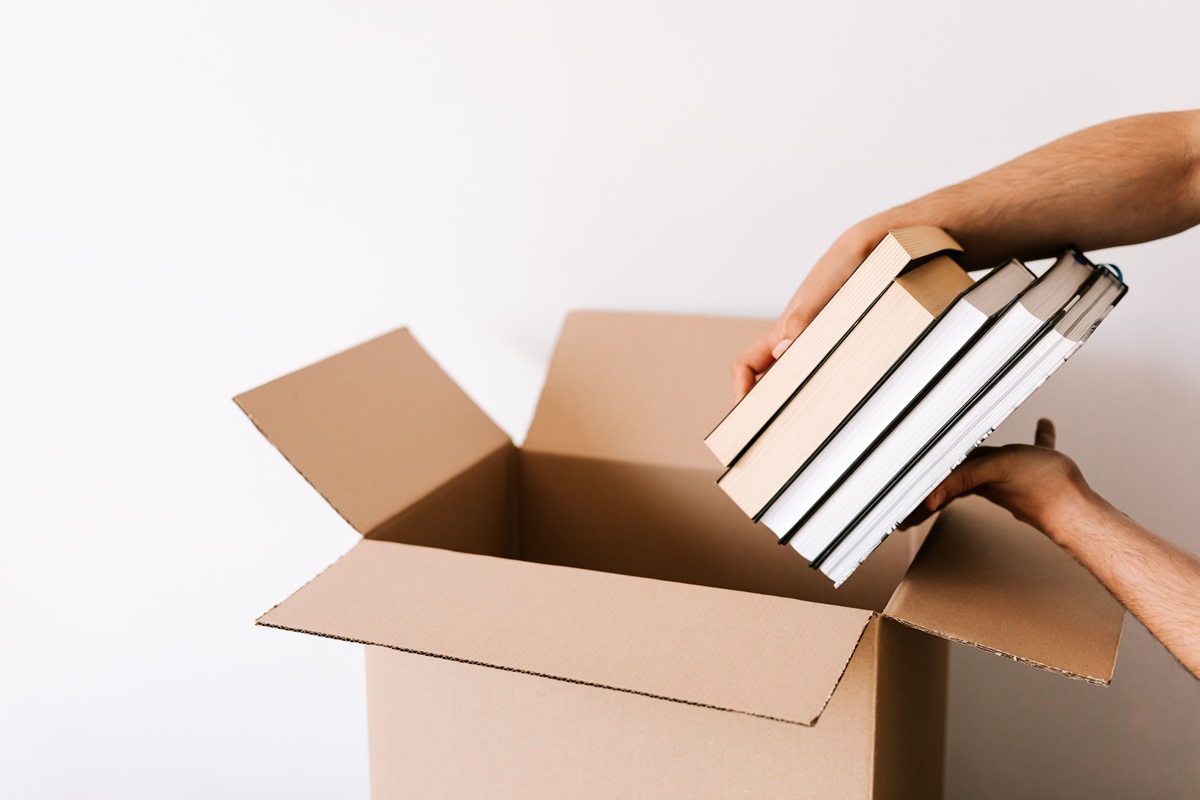
Before you grab a single box, you need to understand what “low-priority” actually means. In packing terms, a low-priority item is anything you won’t need between now and moving day. These are the things that can disappear into a box for four weeks without disrupting your life at all.
Think about what you’ve touched in the last month. Then think about what you haven’t. The stuff you haven’t touched is almost always safe to pack first. This includes seasonal items, decorative pieces, backup supplies, and anything stored away in attics, garages, or guest rooms.
Here’s a quick list of items that almost always qualify as low-priority:
- Books, DVDs, and media collections
- Seasonal clothing (winter coats in summer, swimsuits in winter)
- Holiday decorations and off-season gear
- Fine china, formal dinnerware, and rarely-used kitchen gadgets
- Wall art, picture frames, and decorative objects
- Guest room linens and spare bedding
If you start with these categories, you can clear out significant volume without touching anything you actually use day-to-day. That’s the whole point. Progress without disruption.
How to Tackle Storage Areas First
The best place to start is anywhere you rarely go. Attics, basements, garages, and guest rooms are packing gold mines because they’re full of stuff you’ve already forgotten about. Half of it you won’t even want to bring to the new place, which leads to the next benefit: decluttering as you go.
A 2025 Talker Research survey covered by Quartz found that three out of four people made decluttering a priority before a move. There’s a reason for that. Moving is expensive, and paying to transport stuff you don’t want is a waste. As you work through storage areas, sort items into keep, donate, and toss piles. Be honest with yourself. If you haven’t used it in two years, you probably won’t use it in the new place either.
Setting Up a Simple Sorting System
Before you open a single box or bin, set up three clear zones in the room: one for things you’re keeping and packing, one for donations, and one for trash. Label them with sticky notes or signs so nothing gets mixed up. This small step saves hours of second-guessing later.
As you pack the “keep” pile, label every box with two things: what’s inside and which room it belongs in at the new house. Don’t just write “stuff” or “garage.” Be specific. “Garage – camping gear” is a label that will thank you on move-in day.
Moving Through the Rest of the House Room by Room
Once storage areas are done, move into the formal or rarely-used spaces next. Dining rooms, guest bedrooms, home offices, and formal living rooms are great second-wave targets. You use them occasionally, but not daily, so packing them a couple of weeks ahead won’t cripple your routine. Think about the china cabinet you only open for holidays, the guest bed nobody has slept in since your in-laws visited last spring, or the stack of reference books on your office shelf you haven’t cracked in months. All of those items can be wrapped, boxed, and labeled now without you missing them for a second.
As you work through these secondary rooms, take the opportunity to Pack & Organize with intention rather than just shoving things into boxes. Group similar items together, label boxes by both room and contents, and keep a simple inventory list — even a note on your phone works. That little bit of extra effort now saves hours of frustration on the other end when you’re trying to figure out which of twelve identical brown boxes holds the HDMI cables or the extra set of sheets.
Save the kitchen, main bathroom, and primary bedroom for last. These rooms contain the stuff you use every single day, and you’ll want access right up until moving morning. Nobody wants to dig through three boxes to find a coffee filter at 6 a.m. on moving day, or realize their toothbrush is sealed under a layer of packing tape the night before the truck arrives. A good sequence looks like this: storage areas first, then secondary rooms, then daily-use rooms in the final week.
Here’s a sample order that works well for most homes:
- Week 4 before move: attic, basement, garage, storage closets
- Week 3 before move: guest rooms, formal dining room, home office
- Week 2 before move: living room decor, books, non-essential kitchen items
- Week 1 before move: main bedroom (except essentials), bathroom extras
- Final 2 days: daily-use items, toiletries, bedding, coffee maker
This schedule gives you breathing room and prevents last-minute chaos. It also builds in buffer time for the surprises that always crop up — a box that needs to be repacked, a fragile item you forgot about, or an unexpected work deadline that eats into your packing hours. If you fall a day or two behind in any given week, you still have margin to catch up without pushing essential items into the final scramble.
One of the key things to do before moving into a new home is to make sure your first-night essentials are easy to find, so pack a clearly labeled “open first” box with sheets, towels, chargers, basic toiletries, and a change of clothes. Consider adding a few extras that people often forget: toilet paper, hand soap, a basic tool kit, a box cutter (for opening all those other boxes), trash bags, pet food if you have animals, and any medications you take daily. Some families pack one “open first” box per person plus a shared household one, which makes that first exhausted evening in the new place feel a lot more manageable.
How to Pack & Organize Without Losing Your Mind
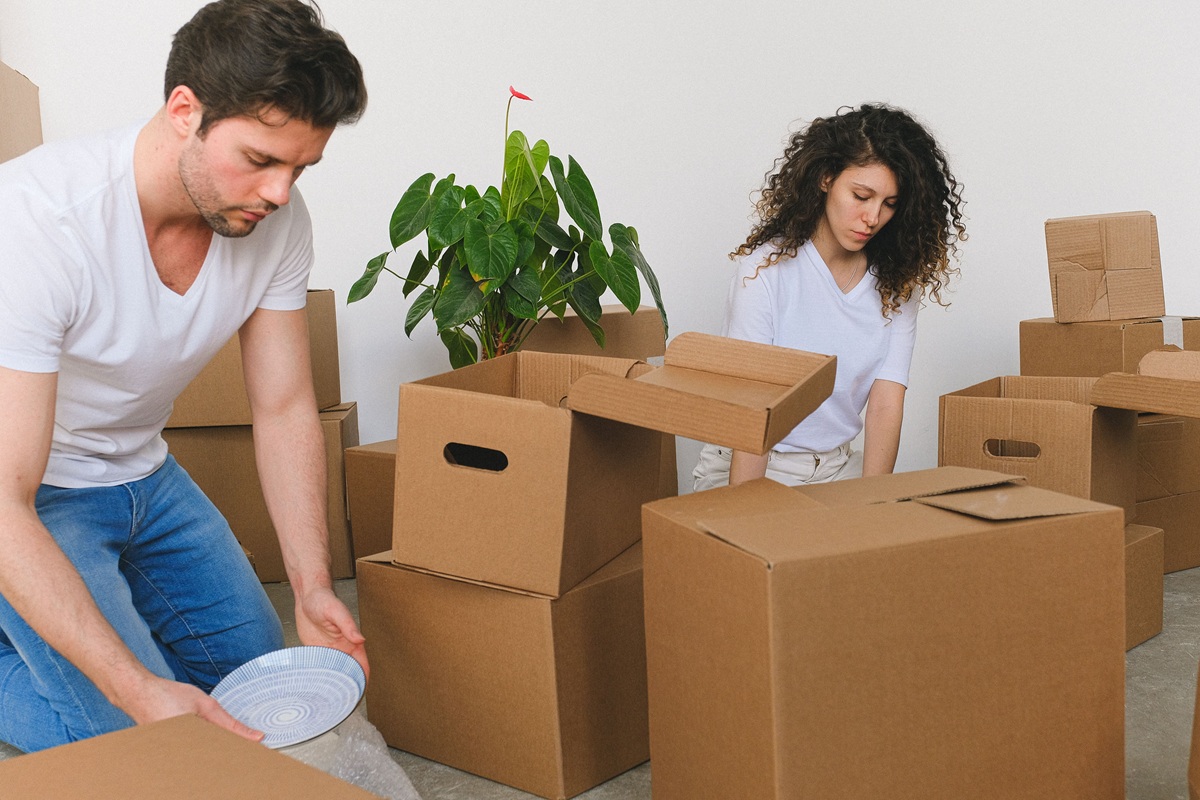
The physical act of packing is only half the job. The other half is keeping track of what you’ve done and what’s left. Without a system, you’ll end up with boxes scattered across multiple rooms, no idea what’s in half of them, and a growing sense of dread.
Start with a master list. It can be a notebook, a spreadsheet, or a notes app on your phone. Whatever works for you. Each time you finish a box, number it, list the contents, and note which room it goes in. When you Pack & Organize this way from the beginning, unpacking becomes dramatically easier because you can prioritize which boxes to open first in the new place.
Supplies That Actually Make a Difference
Don’t cheap out on packing materials. The cost of a few extra rolls of tape and some decent boxes is tiny compared to the cost of replacing broken dishes or ruined electronics. The average move costs $3,020 according to This Old House, with local moves averaging around $1,489 based on 2025 survey data. A few extra dollars on quality supplies is a small percentage of that, and it protects everything you own.
Stock up on these basics before you start:
- Sturdy boxes in multiple sizes (small for heavy items, large for light items)
- Quality packing tape and a tape gun
- Bubble wrap, packing paper, or clean newsprint
- Permanent markers in two or three colors
- Stretch wrap for furniture and drawers
- A box cutter for opening boxes at the new place
Having everything on hand means you won’t lose momentum running to the store mid-session.
What to Do With Items You Don’t Want to Move
As you work through each room, you’ll find things you don’t want to take with you. Don’t just stuff them back in a closet. Deal with them right away, or they’ll end up on the truck by default.
Set a weekly donation drop-off date and stick to it. Many charities will even pick up larger items for free if you schedule in advance. For things that can’t be donated, check your local rules on bulk trash pickup or electronics recycling. Selling items online can bring in some extra cash, but only if you have time to list, photograph, and ship. For most people, donating is faster and simpler.
The further ahead you start this process, the more options you have. Trying to offload a couch two days before the move almost always ends with you paying someone to haul it away. Starting a month early means you can take your time and make better choices about what actually deserves a spot in your new home.
Wrapping It Up
Packing a whole house feels impossible until you break it into small, manageable pieces. The secret is sequencing. Start with the stuff you don’t need right now, work your way toward the stuff you use every day, and give yourself far more time than you think you need. A month of short sessions beats a weekend of panic every single time.
Along the way, use the process to lighten your load. Donate what you don’t want, label everything clearly, and keep a running list of what’s in each box. These small habits save hours of frustration on the other end, when you’re tired and just want to find your toothbrush.
Moving is never going to be fun, exactly, but it doesn’t have to be a disaster. Treat it like a project withclear phases, start earlier than feels necessary, and let the low-priority rooms carry you through the opening weeks. By the time moving day arrives, the hardest work will already be behind you, and all that’s left is loading the truck and starting the next chapter. Give yourself the gift of a calm final week by remembering that smart sequencing is one of the most useful steps before settling into a new home, and the rest tends to fall into place.