

Owning a home means more than paying the mortgage every month. Between seasonal maintenance, surprise repairs, and the systems that quietly keep your house running, costs can sneak up fast if you are not tracking them. A realistic budget folder, whether it is a physical binder or a digital spreadsheet, gives you a clear picture of what your home actually costs to maintain each year. This guide walks through the major categories you should include so nothing catches you off guard.

Start With a Home Maintenance Calendar
Before you can budget accurately, you need to know what tasks are coming and when. A maintenance calendar organized by month or season helps you anticipate costs instead of reacting to them. Walk through your home room by room and system by system, noting anything that needs regular attention throughout the year.
Once you have a rough list, assign estimated costs to each task based on past bills or quotes from local providers. This becomes the backbone of your budget folder and the reference point you return to every time a new expense pops up. Keep it visible, whether that is a printed calendar on the fridge or a shared digital file.
- List tasks by season, such as gutter cleaning in fall or irrigation checks in spring
- Note the last date each task was completed
- Flag tasks that require a professional versus ones you can do yourself
- Leave space to jot down actual costs once the work is finished
Budget for Heating and Cooling System Upkeep
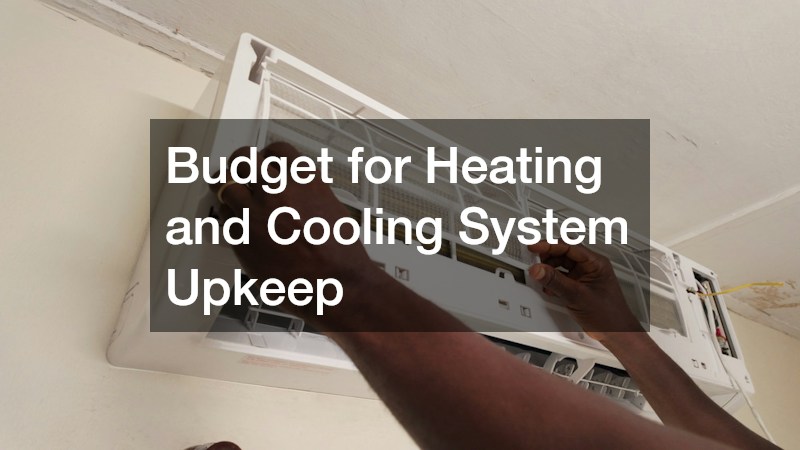
Your HVAC system is one of the biggest-ticket items in any home maintenance plan, and it deserves its own line item in your budget folder. Routine tune-ups twice a year help catch small issues before they become expensive breakdowns, so budget $100 to $200 for a spring visit from air conditioning contractors and a similar amount for a fall visit from your furnace technician. These seasonal check-ups typically cover coil cleaning, refrigerant level checks, belt inspections, and safety testing, all of which extend the life of equipment that can cost $5,000 or more to replace.
Beyond the scheduled visits, smaller recurring costs add up fast if they aren’t tracked separately. Filters alone can run $15 to $30 each and should be swapped every one to three months, which means budgeting for four to twelve replacements a year depending on your system and household. Smart or programmable thermostats may need occasional battery changes or firmware updates, and older models sometimes require recalibration during tune-ups. Ductwork inspections are easy to overlook but worth a dedicated budget line, especially if your home is older or has had pest issues.
Sealing leaky ducts or replacing damaged sections can range from $100 for minor patch work to $500 or more for larger repairs. Keeping these costs separate from your general HVAC tune-up budget gives you a clearer picture of where your money is actually going and helps you spot patterns, like a thermostat that keeps malfunctioning or ducts that need repeated attention, before they become bigger, costlier problems.
It also helps to set aside a separate reserve for unexpected repairs, since even well-maintained systems eventually need parts replaced. A good rule of thumb is to budget $300 to $600 a year for this reserve, since common fixes like a failed capacitor, a refrigerant leak, or a blower motor replacement can easily run into that range. A sudden need for air conditioning repair in the middle of July is far less stressful when you already have funds earmarked for it.
Age matters too. If your furnace or AC unit is more than 10 to 12 years old, consider padding this reserve further, since older systems break down more often and replacement parts can be harder to source. Price out a few local providers ahead of time so you are not scrambling to compare quotes during a heat wave. Ask each one about after-hours or emergency service fees, since those can add 50% or more to the cost of a repair when your system fails on a holiday weekend or during a sudden cold snap.
- Budget for two seasonal tune-ups per year (spring for A/C, fall for furnace), typically $75–$150 each
- Set aside a repair reserve of at least a few hundred dollars — $300–$500 covers most common fixes
- Replace filters on a regular schedule (every 1–3 months) to avoid bigger problems and keep energy bills down
- Get a baseline quote from a trusted technician before you need one urgently, so you can spot price-gouging during emergencies
- Research the average lifespan of your specific unit (10–15 years for most furnaces, 15–20 for A/C) to start planning for eventual replacement
- Factor in a higher reserve if your system is past 10 years old, since older units need repairs more often
Plan Ahead for Furnace and Boiler Service
Heating systems tend to fail at the worst possible time, usually during the first serious cold snap of the year. Scheduling an annual inspection before winter arrives gives a technician time to catch worn parts, dirty burners, or failing igniters while they are still minor fixes. Many heating companies offer fall service specials, so booking early can also save you money compared to waiting for an emergency call.
Your budget folder should include not just the cost of the inspection but a rough estimate for common repairs, since furnaces rarely give much warning before they quit. Knowing the average age and expected lifespan of your unit helps you plan for eventual replacement rather than treating it as a surprise expense. Keep a copy of your service history in the folder so you always know what has been done and when.
- Schedule heating inspections in early fall before demand spikes
- Track the age of your furnace or boiler and its expected remaining lifespan
- Set aside funds for common repairs like igniter or blower motor replacement
- Keep all service receipts together for warranty purposes
Account for Roof Inspections and Repairs
Your roof protects everything else in the house, so it deserves a dedicated section in your budget folder. A yearly inspection, especially after a harsh winter or a round of severe storms, can catch loose shingles or flashing issues before they turn into leaks. Reaching out to local roofing companies for a routine checkup is often inexpensive compared to the cost of water damage repair later.
It is smart to budget for both minor patch work and a long-term replacement fund, since most roofs last between fifteen and thirty years depending on material. Setting aside a modest amount annually toward an eventual replacement means the cost will not blindside you when the time comes. Keep photos and notes from each inspection in your folder so you can track how your roof is aging over time.
- Schedule an inspection annually or after major storms
- Budget separately for minor repairs and long-term replacement
- Keep records of materials used and warranty information
- Compare at least two quotes before committing to major roof work
Set Aside Funds for Septic System Maintenance
If your home relies on a septic system rather than municipal sewer, regular maintenance is not optional, it is essential to avoiding a costly backup. Most households need septic tank pumping every three to five years depending on tank size and household usage. Skipping this service can lead to system failure, which is a far more expensive problem than routine upkeep.
Before you are faced with an urgent issue, it helps to gather septic estimates from a couple of local providers so you know what a typical service call costs in your area. Pricing can vary based on tank accessibility, size, and whether additional inspection work is needed. Add this estimate to your budget folder as a recurring, predictable expense rather than treating it as a surprise.
- Schedule pumping every three to five years based on household size
- Keep a record of tank location and last service date
- Get estimates from more than one provider to compare pricing
- Watch for warning signs like slow drains or soggy patches in the yard

Factor In Routine Lawn and Landscape Care
Curb appeal and plant health both depend on consistent outdoor maintenance, and these costs add up more than most homeowners expect. Weekly or biweekly visits from lawn care services during the growing season cover mowing, edging, and fertilization, while fall and spring often bring additional cleanup needs. Budgeting this as a monthly line item rather than a one-time cost gives a more accurate picture of your total spend.
Beyond basic mowing, consider seasonal extras like mulching, aeration, or soil treatments that keep your yard healthy year-round. Many homeowners are now turning to professional bark blowers for faster, more even mulch application across garden beds and large landscaped areas. Including these seasonal add-ons in your folder helps you avoid the surprise of a spring bill that is much higher than expected.
- Budget for recurring mowing and trimming during growing season
- Add seasonal services like aeration, fertilization, and mulching
- Compare per-visit versus package pricing with local providers
- Track which months require extra cleanup, such as spring and fall
Include Outdoor Living Upgrades and Their Upkeep
Outdoor additions like patios and shade structures are not just one-time purchases, they come with their own ongoing maintenance needs. If your home has retractable awnings, budget for occasional motor inspections, fabric cleaning, and minor repairs to keep them functioning smoothly for years. These features take a beating from sun and weather, so a little yearly upkeep goes a long way toward avoiding costly replacement.
It also helps to think about how these additions affect your overall maintenance list rather than treating them as separate from the rest of the house. A shaded patio might reduce cooling costs in summer, which is worth noting alongside your HVAC budget. Keeping everything in one folder, even the smaller outdoor items, gives you a complete financial picture.
- Inspect motors and fabric on retractable shade features once a year
- Budget for cleaning to prevent mildew and fabric wear
- Note how outdoor shade structures impact indoor cooling costs
- Set aside a small repair fund for hardware and mechanical parts

Plan for Major Home Additions and Expansions
Larger home additions deserve a long-term line item in your budget folder, even if you are not planning the project this year. Sunrooms, for example, add valuable living space but also come with their own heating, cooling, and structural maintenance needs once built. Thinking ahead about these costs, even years in advance, helps you save gradually instead of financing the entire project at once.
If a project like this is on your radar, start a dedicated savings section in your folder and add to it whenever possible. Research typical costs in your area and get a few contractor consultations so your estimate is grounded in reality rather than guesswork. This also gives you a chance to plan how the addition will affect your ongoing maintenance calendar once it is complete.
- Start a separate savings line for major additions you are considering
- Get multiple contractor consultations before setting a budget
- Factor in ongoing heating and cooling needs for new living space
- Revisit your estimate annually as material and labor costs shift
Organize Receipts and Warranties in One Place
A budget folder is only as useful as the records inside it, so organization matters as much as the numbers themselves. Keep every receipt, warranty card, and service agreement in labeled sections so you can find what you need without digging through drawers. This habit also makes it far easier to file insurance claims or sell your home down the road, since buyers appreciate a documented maintenance history.
Digital tools can simplify this process if you prefer not to manage paper. A shared folder with photos of receipts, scanned warranties, and a running spreadsheet of annual costs works just as well as a physical binder. Whichever method you choose, consistency is what makes the system actually useful over time.
- Label sections by system, such as HVAC, roofing, plumbing, and landscaping
- Store warranty expiration dates somewhere easy to check
- Scan paper receipts as a backup in case originals are lost
- Review and update the folder at least twice a year
Building a realistic budget folder takes a little upfront effort, but it pays off every time an unexpected repair comes up and you already have a plan in place. Start small by listing your home’s major systems, gathering a few estimates, and setting aside modest monthly amounts for each category. Over time, this folder becomes one of the most valuable tools you own, turning home maintenance from a source of stress into a manageable, predictable part of owning your home.