


- Prioritize essential household items like bedding, kitchen supplies, and cleaning tools to make your first days easier.
- Arrange furniture thoughtfully to create comfort, functionality, and an inviting atmosphere.
- Add personal touches such as photos, décor, plants, and soft furnishings to make the house feel like home.
- Stock your kitchen and pantry with staples and necessary tools for convenient daily living.
- Ensure safety and maintenance with smoke detectors, tools, locks, and an emergency kit.
- Follow a clear plan for what to do when moving into a new house, including unpacking, organizing, and setting up routines.
Moving into a new house is an exciting milestone, but it can also feel overwhelming. Beyond the boxes and furniture, creating a warm and inviting atmosphere takes thought and preparation. Whether you’re a first-time homeowner or simply relocating, making a house feel like home requires more than just unpacking your belongings. It’s about organizing essentials, adding personal touches, and ensuring comfort and functionality from day one.
Knowing what to prioritize can save time, reduce stress, and help you settle in more quickly. This guide covers the key items and strategies to make your new house feel truly yours.
Essential Household Items You Need Immediately
When you first arrive at your new home, some items are critical for daily living. Without them, even basic routines can become stressful. Stocking these essentials early ensures comfort and functionality while you unpack and settle in.
- Bedding and linens: Sheets, blankets, pillows, and towels should be ready for use to ensure a good night’s sleep and personal hygiene.
- Kitchen basics: Plates, utensils, pots, pans, and a few small appliances like a coffee maker or microwave are necessary for meal preparation.
- Cleaning supplies: Broom, mop, vacuum, and multipurpose cleaners help maintain cleanliness and hygiene immediately after moving in.
- Bathroom essentials: Toilet paper, soap, shampoo, and shower curtains are vital for comfort in your new home.
Having these items ready reduces the stress of moving day and helps you transition smoothly from old routines to new ones.
Furniture and Layout: Creating a Comfortable Space
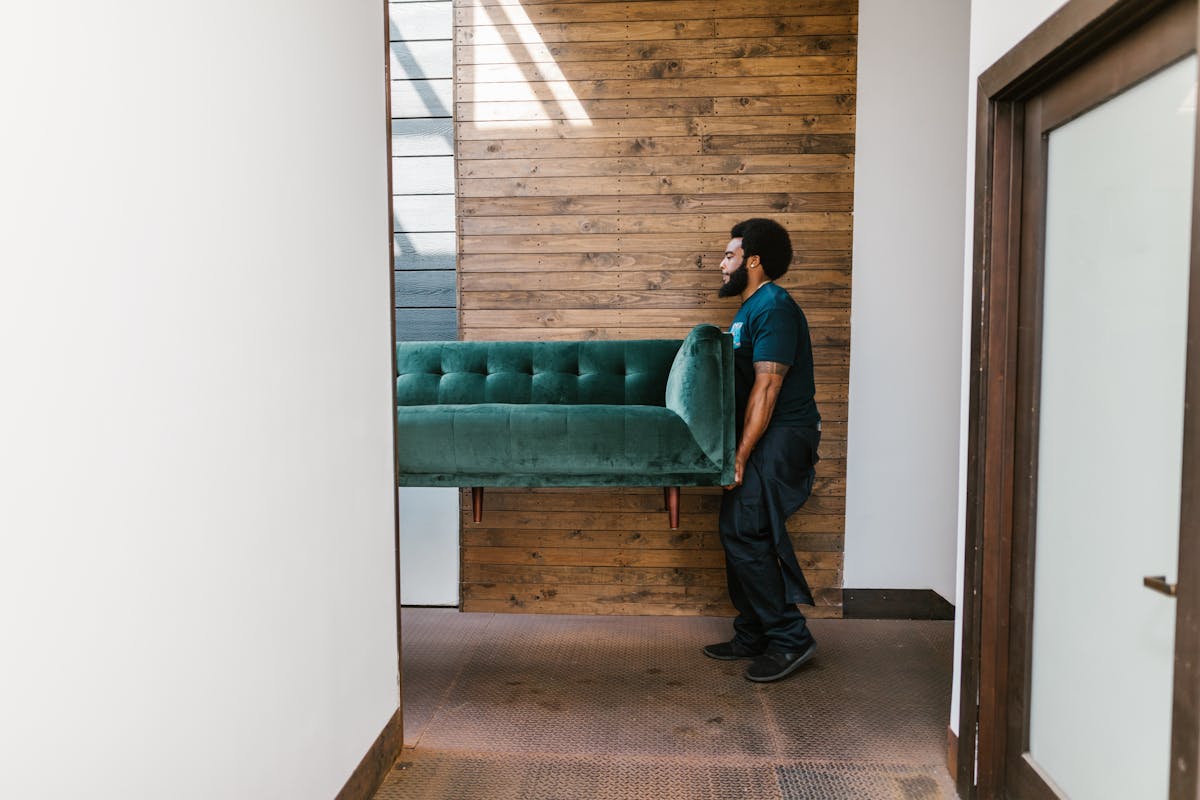
The arrangement of furniture in your new house plays a major role in how cozy and functional it feels. Choosing the right pieces and placing them thoughtfully can transform a space from empty to inviting.
Start with key furniture pieces such as beds, sofas, dining tables, and chairs. Focus on high-use areas first, like the living room and bedroom, to ensure you have comfort where it matters most. Next, consider room layout—arranging furniture to allow easy movement and natural light can make a significant difference in ambiance. Adding storage solutions like shelves, cabinets, and organizers helps keep clutter under control, making your home feel orderly and welcoming.
By prioritizing comfort and organization, your furniture setup becomes both functional and reflective of your personal style.
Personal Touches That Make a House Feel Like Home
A new house can feel sterile at first, but personal touches add warmth and personality. Photos, artwork, and keepsakes make the space uniquely yours, turning an empty structure into a home.
- Wall décor: Hang family photos, framed art, or inspirational prints to personalize your walls.
- Soft furnishings: Cushions, throws, and rugs not only add comfort but also inject color and texture.
- Lighting: Use lamps, fairy lights, or warm bulbs to create a cozy atmosphere in the evenings.
- Plants: Indoor plants improve air quality and add life to any room, making the home feel vibrant and cared for.
Integrating these elements gradually allows you to infuse your personality without feeling rushed, making your house truly feel lived-in.
Kitchen and Pantry Essentials: Convenience Matters
The kitchen is the heart of any home, and having the right supplies ensures convenience and efficiency. Being able to prepare meals easily can make your first weeks in a new house much smoother.
Stock your pantry with staples like rice, pasta, canned goods, spices, and cooking oil. Include kitchen tools such as cutting boards, knives, measuring cups, and mixing bowls. Don’t forget small appliances like a toaster, blender, or kettle, which simplify daily routines. Keeping the kitchen organized with storage containers and shelves makes cooking and cleanup less stressful and more enjoyable.
A well-prepared kitchen allows you to focus on settling in rather than constantly running to stores for basic necessities.
Safety and Maintenance Essentials

A safe and well-maintained home is crucial, especially in the first few weeks. Installing and organizing safety equipment ensures peace of mind and helps prevent accidents or damage.
- Fire safety: Smoke detectors, fire extinguishers, and carbon monoxide alarms are essential in every household.
- Basic tools: Screwdrivers, hammers, nails, and a tape measure help with quick fixes and furniture assembly.
- Locks and security: Change door locks and check windows for proper functioning to secure your new home.
- Emergency kit: Include first-aid supplies, flashlights, batteries, and a list of emergency contacts.
Being proactive about safety allows you to enjoy your home without unnecessary worries and creates a stable environment for everyone.
What to Do When Moving Into a New House
Knowing what to do when moving into a new house helps streamline the transition and prevent chaos. Start by unpacking essentials, arranging furniture, and ensuring utilities like electricity, water, and internet are functioning. Next, prioritize cleaning and organizing key areas like the kitchen, bathrooms, and bedrooms. Introduce personal touches gradually, and set up safety and maintenance items. Establishing routines and tackling tasks step by step makes settling in more manageable and reduces stress.
Conclusion
Moving into a new house is more than transporting belongings—it’s about creating a space where you feel safe, comfortable, and truly at home. By prioritizing essential household items, arranging furniture thoughtfully, adding personal touches, preparing the kitchen, and ensuring safety, you can transform your new house into a welcoming home.
With careful planning and small, deliberate steps, the transition becomes smoother, and your new space quickly reflects your lifestyle and personality.