
A clean home inspection report can feel like a green light to move forward, but it rarely tells the whole story. Inspectors check what they can see and access on the day of the visit, which means aging pipes, buried tanks, and slow-leaking systems often go unmentioned. If you buy a house assuming the report covers everything, you could be caught off guard by expensive repairs within the first year. This guide walks through the systems most likely to surprise new homeowners and how to budget for them before they become emergencies.
Aging Supply Lines and Hidden Leaks

Home inspectors typically run water and flush toilets, checking for obvious signs of water pressure problems or visible leaks, but they cannot see inside walls or underground pipes where corrosion and slow leaks develop over years. A pinhole leak behind a wall can quietly cause wood rot and mold long before it shows up as a stain on the ceiling or a soft spot in the floor. By the time these problems are visible, the damage often extends well beyond the original leak site. Galvanized steel pipes, common in homes built before 1960, have an expected lifespan of 40 to 50 years and corrode from the inside out, making deterioration invisible until a pipe fails outright. Polybutylene piping, used widely between 1978 and 1995, is prone to brittleness and cracking, and many insurers now flag it as a red flag during underwriting. Even newer copper supply lines can develop pinhole leaks from water chemistry issues, so age alone isn’t the only risk factor worth considering. Repiping an entire house can run anywhere from $4,000 to $15,000 depending on square footage and accessibility, while a single section repair might cost a few hundred dollars if caught early. Setting aside a repair fund for plumbing issues in the first year of homeownership is one of the smartest moves a new buyer can make, especially in homes built before 1990. A simple first step is locating the main water shutoff valve and checking the water meter when no fixtures are running; if it’s still spinning, a hidden leak may already be at work.
A standard home inspection usually checks that faucets run and drains clear, but it rarely tells you what’s happening inside the walls. Calling a licensed plumber for a baseline inspection of the main lines, water heater connections, and shutoff valves can catch problems before they turn into water damage claims. Expect to pay $150 to $400 for this kind of diagnostic visit, often including a camera scope of the main sewer line. Many older homes still have galvanized steel or polybutylene piping that inspectors note only in passing, if at all. Galvanized pipes typically last 40 to 50 years before corrosion narrows the interior diameter and restricts water flow; polybutylene, common in homes built between 1978 and 1995, is prone to sudden cracking and is considered a known failure risk by many insurers. Either material can mean a full repipe costing anywhere from $4,000 to $15,000 depending on the home’s size and layout. Shutoff valves deserve their own line item in your budget. Valves that haven’t been turned in years can seize or leak once moved, and replacing a handful of them often runs $150 to $300 each if a plumber is already on site. Finding this out before a valve fails during an emergency is far cheaper than discovering it after.
- Budget $150 to $500 for a thorough plumbing evaluation beyond the standard inspection, including camera scoping of sewer lines if the home is older than 30 years
- Ask about the age and material of supply lines during the home tour, not just after closing — polybutylene and galvanized steel are red flags for near-term replacement
- Set aside at least $1,000 for unexpected leak repairs in year one, more if the home has visible mineral staining, soft flooring, or musty odors near bathrooms and kitchens
- Know the location of your main water shutoff valve before you need it, and test it within your first week to confirm it isn’t corroded shut
- Check water pressure with a simple gauge ($10 to $15) since readings above 80 psi can strain aging pipes and void some fixture warranties
- Factor in $300 to $800 for re-piping a single problem section versus $4,000 to $15,000 for whole-house repiping if multiple leaks surface
Roof Materials and Long-Term Wear Patterns

Standard inspections usually involve a visual check from the ground or a ladder, which means subtle issues like underlayment damage or improperly sealed flashing can be missed entirely. Metal roofs are generally more durable than asphalt shingles, but they still require periodic attention to seams, fasteners, and coatings as they age. If your home has a metal roof, budgeting for occasional maintenance visits can prevent small issues from becoming leaks during heavy storms.
Homeowners should plan for a professional assessment every few years, separate from the one-time inspection done at purchase. A metal roofing contractor can identify loose panels, rust spots, or sealant failures that a general inspector would not have the specialized knowledge to catch. Setting aside $300 to $800 annually for roof upkeep is a reasonable starting point depending on your climate and roof age.
Septic System Capacity and Maintenance Needs
Septic systems are notoriously difficult to evaluate during a standard home inspection because most of the system sits underground and out of sight. Inspectors may run water for a short period to check for backups, but this test does not reveal how full the tank already is or how well the drain field is functioning. Buyers often discover only after moving in that the system has not been serviced in years.
Scheduling a service to pump out septic tank contents soon after moving in gives you a clear picture of the system’s condition and resets the maintenance clock. This service typically costs between $300 and $600 depending on tank size and location, and it is far cheaper than dealing with a backed-up system later. Most septic professionals also recommend a follow-up inspection every three to five years to monitor sludge buildup.
- Ask the seller for septic service records before closing if possible
- Budget for pump-outs every three to five years as routine maintenance
- Watch for slow drains or soggy patches in the yard as early warning signs
- Avoid planting trees too close to the drain field to prevent root intrusion
Underground Pipe Condition and Sewer Line Health
Sewer lines running from the house to the municipal connection or septic tank are almost never inspected during a standard home sale, since doing so requires a camera scope rather than a visual check. Tree roots, shifting soil, and decades-old clay pipes can all lead to blockages or collapses that homeowners do not notice until sewage backs up into the house. This is one of the most expensive surprises a new homeowner can face, often running into the thousands of dollars.
If your home is more than 40 years old, it is worth paying for a camera inspection of the sewer line before you are faced with an emergency. When damage is found, sewer lining has become a popular alternative to full pipe replacement because it is less invasive and often faster to complete. Budgeting $2,000 to $6,000 for this kind of repair, while hoping you never need it, is a realistic way to prepare for an aging sewer system.
Water Heater Lifespan and Replacement Timing
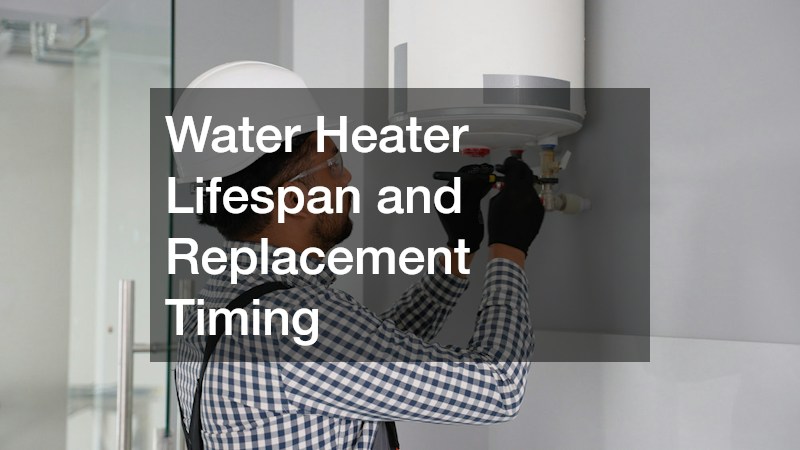
A home inspector will usually note the age and apparent condition of a water heater, but they cannot predict exactly when it will fail. Most tank-style units last between 8 and 12 years, and once a unit passes that range, the risk of leaks or complete failure rises significantly. If your inspection report lists a water heater near the end of its expected lifespan, it is smart to start budgeting now rather than waiting for a flood in the utility closet.
Minor issues like sediment buildup, a failing thermostat, or a faulty heating element can often be fixed through water heater repair rather than full replacement, saving homeowners hundreds of dollars. However, once a tank starts rusting or leaking from the bottom, replacement is typically the safer and more cost-effective choice. Setting aside $150 to $500 for minor repairs or $1,200 to $2,500 for full replacement keeps this expense from becoming a financial shock.
Well Water Systems and Pressure Problems
Homes on private wells come with an entirely separate set of systems that most general home inspectors are not equipped to evaluate in depth. Water quality testing is sometimes included, but the mechanical condition of the pump itself often is not. A well pump typically lasts 8 to 15 years, and when it starts failing, symptoms like inconsistent water pressure or strange noises from the pressure tank can appear gradually before a full breakdown occurs.
Scheduling a well pump service soon after purchasing a home with a private well is a smart precaution, even if everything seems to be working fine. A technician can test pressure levels, check the tank’s air charge, and estimate the pump’s remaining lifespan. Budgeting $200 to $500 for a service call, with a few thousand dollars set aside for eventual pump replacement, prevents this hidden system from catching you off guard.
Outdoor Structures Beyond the Inspector’s Scope

Many home inspections focus almost entirely on the house itself, leaving outdoor additions like decks, fences, and detached structures as an afterthought or excluded entirely. Standard inspection agreements often explicitly exclude detached garages, sheds, gazebos, and fencing unless the buyer pays extra for a specialized add-on. That gap in coverage can leave you with thousands of dollars in surprise repairs on structures you assumed were part of the deal. A deck that looks sturdy on the surface may have hidden rot in the ledger board or support posts, which is a serious safety concern that often goes unmentioned in the final report. Replacing a ledger board connection or sistering rotted joists can run $1,500 to $4,000 depending on deck size, while full structural rebuilds easily exceed $10,000. If your new home includes custom decks built by a previous owner, it is worth having them separately evaluated for structural integrity, especially if the design uses non-standard framing or spans beyond typical lumber ratings. Fences deserve similar scrutiny. Wood posts set directly in soil rather than concrete footings tend to rot within 10 to 15 years, and a leaning fence line may signal that most of the posts need replacing rather than just one or two. Budget $25 to $50 per linear foot for fence repair or replacement depending on material. Detached structures like sheds, workshops, and garages often have their own aging roofs, electrical runs, and foundations that nobody inspected at all. A sagging shed foundation or knob-and-tube wiring in a detached garage can turn into a four-figure repair once you actually need to use the space.
Sheds, detached garages, retaining walls, and decks often sit outside a standard home inspection, since many inspectors only glance at these structures or skip them entirely if they’re not attached to the main dwelling. A leaning shed foundation, a retaining wall showing bulges, or deck ledger boards pulling away from the house can all turn into costly fixes once you’ve moved in. Deck repairs alone can range from $300 for a few replaced boards to $5,000 or more if structural supports or railings need rebuilding to meet code. Property boundary fencing is another area inspectors rarely assess closely, even though repairs or replacement can be a significant expense. A fence contractor can evaluate post stability, wood rot, and whether the structure meets current local codes, which matters if you plan to sell or refinance later. Depending on material and length, full fence replacement can run anywhere from $1,500 for a short chain-link section to over $10,000 for a large wood or vinyl privacy fence. It’s also worth checking who’s responsible for shared structures, like a fence straddling a property line or a retaining wall supporting a neighbor’s yard, since disputes over repair costs can arise later. Setting aside $500 to $1,500 for outdoor structure repairs in your first year is a reasonable buffer against surprises that fall outside the inspection’s typical scope, though homes with older decks, extensive fencing, or sloped lots with retaining walls may warrant budgeting closer to the higher end.
Swimming Pool Surfaces and Equipment Wear
Pools add complexity to a home purchase that general inspectors are often unqualified to fully assess, especially when it comes to surface condition and equipment lifespan. A plaster surface typically lasts 10 to 15 years before it begins cracking, staining, or becoming rough to the touch, and these issues are not always obvious during a quick walkthrough. If the pool in your new home looks dated or the previous owner cannot provide maintenance records, budget for a professional evaluation soon after closing.
When the surface has reached the end of its useful life, pool replastering is typically the most cost-effective solution, running anywhere from $4,000 to $8,000 depending on pool size and material choice. Beyond the surface, pumps, filters, and heaters also wear out over time and are rarely tested thoroughly during a standard inspection. Factoring in both surface and equipment costs into your first-year homeownership budget can prevent an unpleasant surprise come swimming season.
No inspection report, no matter how thorough, can predict every repair a home will eventually need. The smartest approach is to treat the report as a starting point rather than a complete picture, and to set aside a dedicated repair fund for the systems most likely to be overlooked. Start by identifying which of these hidden-risk areas apply to your specific property, then prioritize professional evaluations for the ones showing the most age or uncertainty. A little proactive budgeting now can save you from far more stressful and expensive surprises down the road.