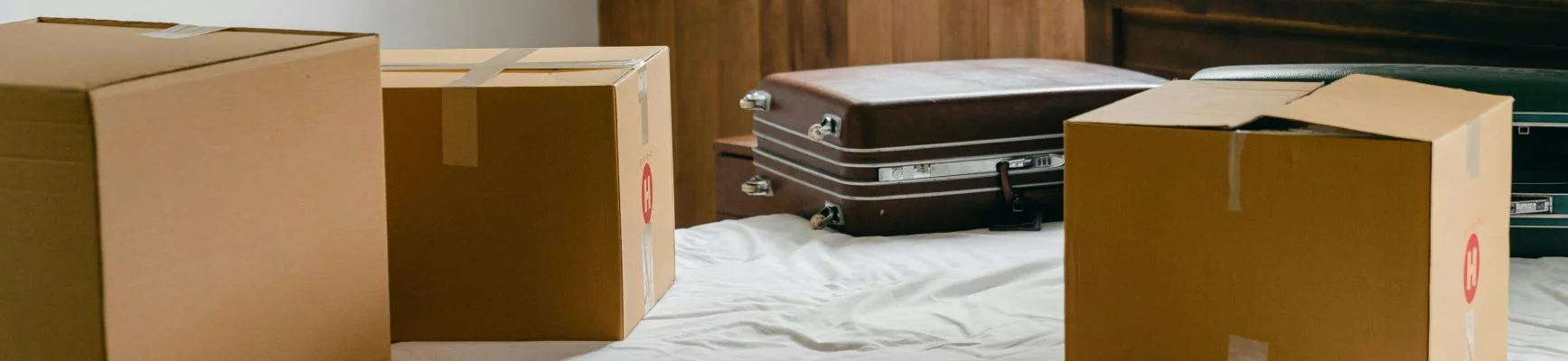


Relocating during the colder months presents a distinct set of logistical hurdles and safety risks that warmer seasons rarely impose. Sub-zero temperatures, sudden snowstorms, and icy surfaces can quickly turn a routine transition into a stressful, exhausting ordeal. While lower off-peak moving rates and flexible lease dates offer clear advantages, those financial benefits vanish if your transport vehicle slides off an icy driveway or interior plumbing freezes mid-transit.
Successfully completing a cold-weather move requires thinking well beyond standard packing tape, cardboard boxes, and hand trucks. You must actively shield sensitive household belongings from severe cold, keep walking paths completely free of dangerous ice, and protect family members from physical strain. By addressing the primary challenges of winter moves well in advance, you can transform what is often a chaotic process into an orderly, efficient transition.

Monitoring Unpredictable Winter Storms and Scheduling Flexibly
Building formal flexibility into your schedule is essential when dealing with long-distance transit across multiple jurisdictions. Because road conditions vary drastically across state lines, coordinating with experienced long distance moving companies requires open communication regarding storm contingencies and travel delays. Established freight carriers have dedicated dispatchers tracking road closures and travel warnings across major highway corridors. Establishing clear contractual provisions regarding weather-related rescheduling fees and safe overnight vehicle holding guarantees that you will not face unfair penalties if blizzards force a travel halt.
-
Establish a 48-Hour Buffer Window: Agree upon backup dates with your movers in case local officials declare travel warnings.
-
Monitor Highway Department Feeds: Check real-time road conditions using transportation cameras rather than relying solely on basic mobile apps.
-
Identify En-Route Lodging Options: Map out accessible, heated hotels along your driving route in case highway conditions deteriorate mid-journey.
-
Keep Core Documents in Your Personal Vehicle: Keep all housing contracts, identity records, and insurance documents in your personal vehicle’s glove compartment.
Staying ahead of schedule with packing also gives you the freedom to move your departure forward if a blizzard threatens your target date. Loading and departing twelve hours early can mean the difference between driving on dry asphalt and crawling through deep, unplowed slush. Flexibility requires mental patience, as forcing a move through dangerous conditions puts your cargo and personal safety at risk. Accepting weather-related pauses with a prepared mindset is the safest way to navigate an unpredictable winter season.
Clearing Driveways, Walkways, and Outdoor Access Paths
For properties with extended driveways, steep inclines, or rural roads, manual shoveling and light snow blowers are rarely enough to ensure safe truck transit. Hiring commercial snow plows to clear and widen your driveway ensures that large transport vehicles can pull in, park, and exit without sliding or getting stranded in deep drifts. Furthermore, professional plow operators can spread sand and aggregate materials that provide critical mechanical traction on sloped concrete. Prioritizing clear vehicle access prevents property damage and avoids costly towing delays on moving day.
Effective ice management also requires applying chemical de-icers rather than merely chipping away at hard-packed ice. Spreading calcium chloride or magnesium chloride pellets provides reliable melting action at temperatures far below standard rock salt, which loses effectiveness when the thermometer dips below twenty degrees Fahrenheit. Treat porch steps, vehicle loading perimeters, and metal truck ramps continuously throughout the day, as repeated foot traffic packs down falling snow into slick sheets. Keeping your walking paths clean and salted ensures everyone stays on their feet and free from injury.
Fortifying Interior Flooring Against Slush, Salt, and Dirt
Shielding your floors requires setting up durable protective barriers across every primary traffic hallway. Heavy-duty neoprene runners, corrugated plastic sheets, and adhesive carpet films provide dependable protection far superior to loose towels or flattened cardboard boxes. Cardboard rapidly saturates and tears, creating a tripping hazard, while rubber-backed neoprene runners stay firmly in place and provide reliable grip underfoot. Taping the edges of your plastic or paper coverings prevents melting slush from seeping underneath and staining the floor during hours of loading.
Setting up a designated staging area near your primary entrance also prevents exterior slush from traveling deeper into the house. Place a heavy rubber tray right inside the doorway where helpers can swap wet outdoor boots for clean indoor shoes, or keep a generous basket of textured, slip-resistant boot covers right by the threshold. If changing footwear is impractical due to heavy lifting safety requirements, keep extra dry mops and towel stations nearby to address puddles immediately. Protecting your floors saves your security deposit or preserves your home’s resale value without slowing down operations.

Protecting Delicate Electronics and Valuables from Thermal Shock
Safeguarding delicate, temperature-sensitive possessions often requires partnering with specialized logistics providers who offer custom packaging and thermal protection. Working with a reputable shipping crate company ensures that valuable instruments, oil paintings, and fragile electronic equipment are packed inside insulated, custom-built wooden enclosures built to resist temperature fluctuations. These specialized crates buffer against thermal shock, preventing rapid expansion and contraction cycles that damage lacquer finishes or misalign delicate components. Adding interior foam insulation and desiccant packs inside each crate provides an additional barrier against moisture and cold air.
-
Allow 24 Hours for Acclimatization: Let all electronics rest unpowered at room temperature for a full day before plugging them into the wall.
-
Wrap Sensitive Items in Moving Blankets: Layer heavy cloth pads and bubble wrap around delicate items to slow heat loss during loading.
-
Transport Irreplaceable Items in Your Personal Vehicle: Keep computers, cameras, and delicate heirlooms in the heated cab of your car rather than the back of an unheated truck.
-
Loosen Stringed Instruments: Slightly slacken strings on guitars and orchestral instruments to keep contracting wood from cracking under tension.
Solid wood furniture faces similar threats from dry, freezing winter air, which rapidly pulls moisture out of natural grains and loosens joinery. Applying a protective coat of furniture wax or oil polish before wrapping helps shield the wood surface from dry conditions. Never wrap wooden pieces directly in non-breathable plastic stretch film, as trapped condensation can cloud the finish and leave permanent marks. Use thick cotton moving blankets directly against the wood surface to provide thermal insulation and allow the material to breathe naturally.
Managing Short Daylight Hours and Low Visibility Conditions
Maximizing your working hours requires starting exterior loading right at the first light of dawn. To keep your move on schedule, book your support well in advance by researching the best moving companies near me that have proven winter experience and commercial lighting equipment. Professional crews accustomed to winter moves frequently carry portable floodlights, headlamps, and truck-mounted scene lights to keep loading ramps safely illuminated. Their familiarity with winter scheduling helps you maintain steady progress without sacrificing physical safety when the sun dips low.
Operating safely during dark hours means equipping everyone with reliable personal lighting and high-visibility gear. Clip compact LED headlamps onto winter beanies so handlers can carry items down ramps without dark spots obscuring their vision. Set up wide floodlights on tripods at both ends of the driveway to light up vehicle entrances and pathways thoroughly. Staying alert and well-lit prevents costly property damage and ensures that late-afternoon loading proceeds with the same caution and precision as morning work.
Preventing Hypothermia and Physical Strain for Movers and Family
Managing physical strain requires wearing layered, functional clothing combined with structured rest breaks. Wearing a moisture-wicking base layer topped with an insulating fleece or wool sweater and a weather-resistant shell allows you to regulate your body heat as your exertion changes. Insulated work gloves with textured rubber or silicone palm grips are indispensable; smooth leather or knit gloves slip easily on cold surfaces and fail to keep fingers warm. Keeping your extremities warm ensures you maintain a solid grip and steady footing throughout the moving process.
Providing steady internal hydration and warmth is just as critical for everyone on site. Cold air absorbs moisture from your lungs quickly, causing dehydration without triggering the intense thirst you feel during hot summer moves. Set up an indoor warming station stocked with hot coffee, tea, warm broth, and high-protein snacks to keep energy levels high throughout the day. Encourage everyone to take brief, regular warming breaks rather than pushing through the cold until they are exhausted, shivering, and losing concentration.

Coordinating Utility Transfers and Preventing Frozen Pipes
Preventing frozen pipes requires arranging utility transfers well ahead of your moving date. Contact your utility providers two to three weeks early to schedule an overlapping service window where water, gas, and electricity remain on at both homes for at least forty-eight hours. When leaving your old home, never shut the heating system off completely; set the thermostat to a minimum of 55 to 60 degrees Fahrenheit to protect the pipes while the house sits empty. At your new residence, arrange for the heat to be set to a comfortable 68 degrees Fahrenheit the day before you arrive so the interior walls and pipes are thoroughly warmed.
When you step inside your new home, take a few minutes to inspect the property thoroughly before carrying in furniture. Locate the main water shut-off valve right away so you can cut the water supply immediately if an unnoticed leak or broken pipe thaws out. Open the cabinet doors under bathroom vanities and kitchen sinks to let warm room air circulate freely around the plumbing lines. If the home was unoccupied before you arrived, examine exposed basement plumbing for frost build-up or cracks before turning up the heating system to full capacity.
Handling Downsizing and Large-Scale Debris Removal in Freezing Weather
Relying on an on-site dumpster rental provides an immediate, convenient way to dispose of heavy furniture, worn carpets, and renovation trash without making repeated runs to a transfer station on icy roads. When setting up a waste container on your property during the winter, its placement needs careful thought. Placing a bin directly under low roof overhangs invites snow slides and falling icicles into the container, while parking it on an untreated slope makes walking trash inside dangerous. Laying heavy wooden boards beneath the container’s steel rollers keeps it from freezing fast to asphalt or cracking cold concrete driveways.
-
Tarp Open Bins Securely: Keep a heavy tarp tied over the top of the container to prevent heavy snow accumulation from adding excess weight to your bill.
-
Keep Access Paths Salted: Maintain a plowed, salted walkway to the container’s rear gate so helpers can safely walk refuse directly inside.
-
Schedule Winter Hauls Carefully: Arrange delivery and pickup windows around impending snowstorms to prevent the container from being plowed in.
-
Separate Hazardous Materials: Never throw wet paint, vehicle fluids, or pressurized cylinders into a dumpster, as winter disposal sites enforce strict handling regulations.
Reserving a sturdy roll off dumpster allows you to clear out household junk in a single organized effort, saving substantial time during packing week. Eliminating clutter before your movers show up means fewer items to carry down slippery paths and more available space inside the truck. Handling your debris removal on-site takes care of a major logistical bottleneck, making the rest of your winter move run far more efficiently.
Supporting Vulnerable Family Members and Navigating Specialized Needs
When helping an older adult move into a retirement residence, assisted living facility, or smaller home, hiring a specialized senior moving service makes the process significantly smoother. These professionals understand how to handle downsizing, packing, and floor planning with patience, empathy, and structured care. They take extra steps to set up essential living spaces, arrange safety equipment, and unpack prescriptions in the new home before the senior arrives. Turning these demanding tasks over to compassionate professionals allows family members to focus on emotional support and personal comfort.
For families coordinating specialized winter relocations, hiring qualified crews through certified local moving companies ensures the physical move finishes as quickly as possible. Regional movers understand local road rules, parking regulations, and winter transit restrictions, enabling them to handle trucks and cargo efficiently. Their familiarity with local winter logistics minimizes unnecessary delays, helping you get vulnerable family members out of the cold and settled into their new space with minimal stress. Keeping personal medication, warm blankets, and hot meals ready in a separate travel bag ensures everyone stays comfortable throughout the day.

Managing Intermediate Storage and Cargo Transitions
Using established shipping container companies provides a durable, weather-resistant option for storing cargo temporarily, as heavy steel intermodal containers are engineered to withstand snow, wind, and rain. While these containers offer exceptional physical protection, packing them requires careful attention to airflow to prevent trapped humidity from dripping off cold steel walls. Using desiccant packs, moisture absorbers, and elevated wood pallets keeps your belongings dry and separated from cold container floors where condensation naturally settles. Placing furniture pads and insulating blankets between delicate pieces prevents surface scuffs caused by shifting on bumpy, frozen roads.
For situations requiring flexible loading on your own property, renting local pod storage containers allows you to stage your belongings incrementally at your own pace without driving back and forth to an off-site facility. These modular units can be placed directly on your driveway, allowing you to load furniture gradually during optimal daylight and weather windows. Once loaded, the units can be transported directly to your new address or stored securely in a heated regional warehouse until your destination is fully prepped and ready for move-in. Leveraging high-grade modular storage removes the pressure of completing an entire move in a single frozen afternoon.
While moving in the winter comes with unique obstacles, every one of these challenges can be managed with deliberate preparation, proper equipment, and practical safety precautions. Flexibility is your most valuable asset when facing unpredictable winter weather; accepting that conditions may dictate your schedule protects your property and keeps everyone safe. By clearing pathways, securing reliable heating, shielding fragile items from freezing air, and utilizing practical storage methods, you eliminate the most common hazards of winter moves.
In the end, completing a winter relocation brings the genuine reward of stepping into a warm, comfortable home while the cold wind blows harmlessly outside. Taking thoughtful steps to clear away clutter, protect your floors, and care for vulnerable loved ones turns a difficult seasonal move into an orderly, successful achievement. With careful forethought and experienced professional help, your winter move can serve as a safe, positive start to an exciting new chapter.